Connect With Us

Heel spurs are bony growths on the heel that often cause sharp pain, tenderness, and inflammation, especially while walking or standing. Symptoms include stabbing pain in the heel, swelling, or discomfort after rest. Effective exercises can reduce pain and improve foot function. These can include the foot flex, which involves bending the foot upward and downward to stretch and strengthen the plantar fascia, the thick band of tissue on the sole of the foot. Calf stretches on a step help lengthen the calf muscles and Achilles tendon, relieving tension on the heel. Additionally, the toe towel grab strengthens foot muscles by picking up a towel with the toes. A podiatrist can evaluate heel pain, and recommend proper stretches. If you have heel pain, it is suggested that you consult a podiatrist who can accurately diagnose what may be going on, and start you on a personalized plan for relief and improved foot health.
Exercising your feet regularly with the proper foot wear is a great way to prevent injuries and build strength. If you have any concerns about your feet, contact one of our podiatrists from David A. Scalzo, DPM, PC and Associates. Our doctors can provide the care you need to keep you pain-free and on your feet.
Exercise for Your Feet
Exercise for your feet can help you gain strength, mobility and flexibility in your feet. They say that strengthening your feet can be just as rewarding as strengthening another part of the body. Your feet are very important, and we often forget about them in our daily tasks. But it is because of our feet that are we able to get going and do what we need to. For those of us fortunate enough to not have any foot problems, it is an important gesture to take care of them to ensure good health in the long run.
Some foot health exercises can include ankle pumps, tip-toeing, toe rises, lifting off the floor doing reps and sets, and flexing the toes. It is best to speak with Our doctors to determine an appropriate regimen for your needs. Everyone’s needs and bodies are different, and the activities required to maintain strength in the feet vary from individual to individual.
Once you get into a routine of doing regular exercise, you may notice a difference in your feet and how strong they may become.
If you have any questions, please feel free to contact our office located in Duryea, PA . We offer the newest diagnostic and treatment technologies for all your foot care needs.
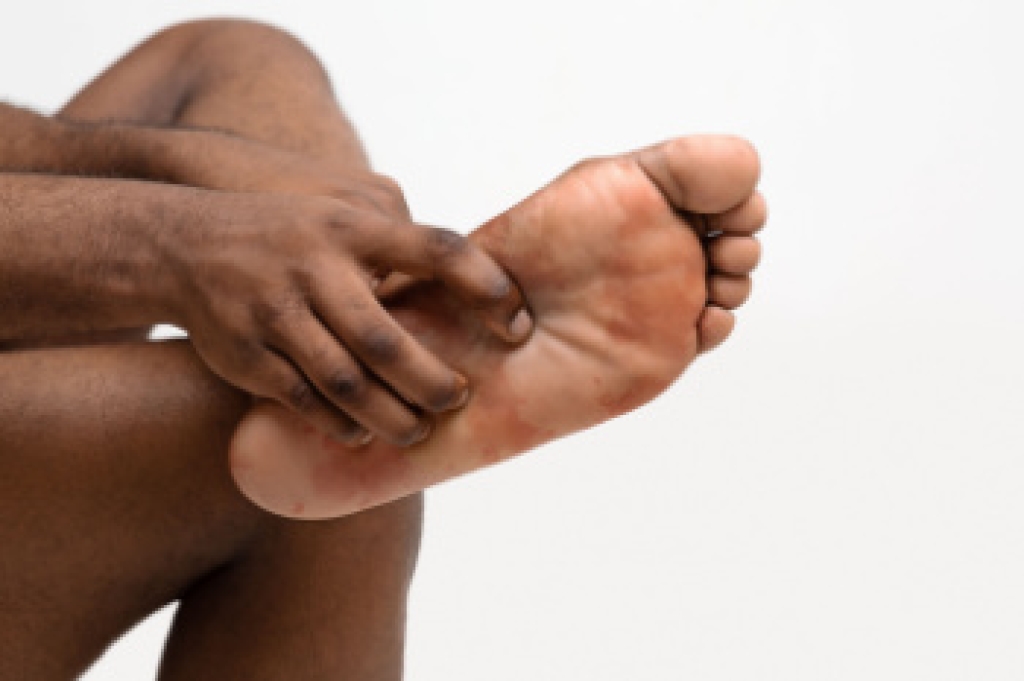
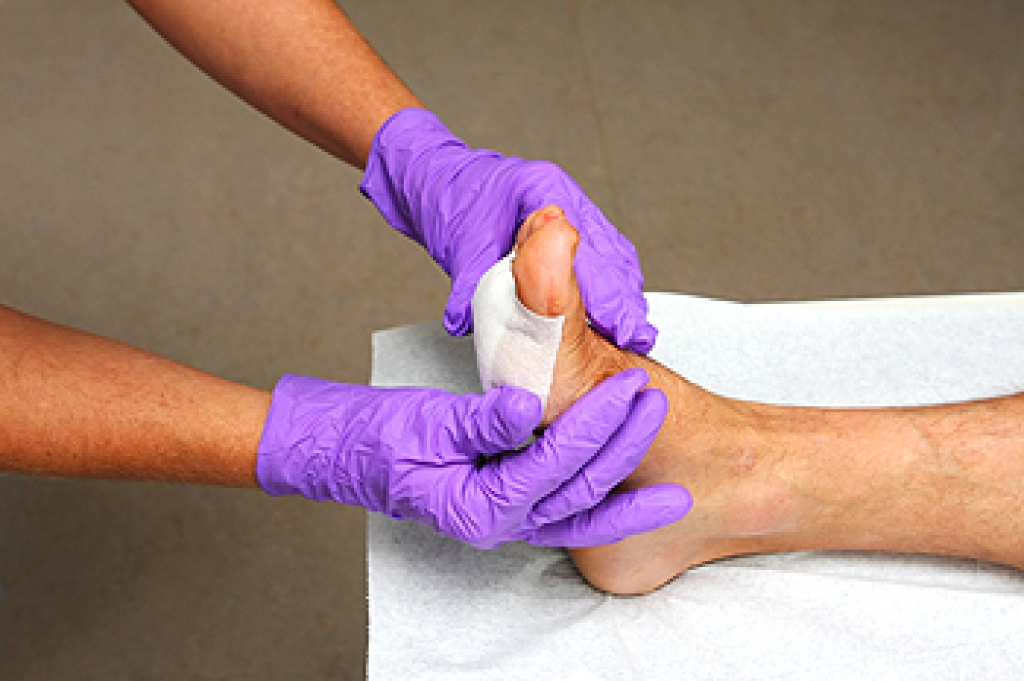
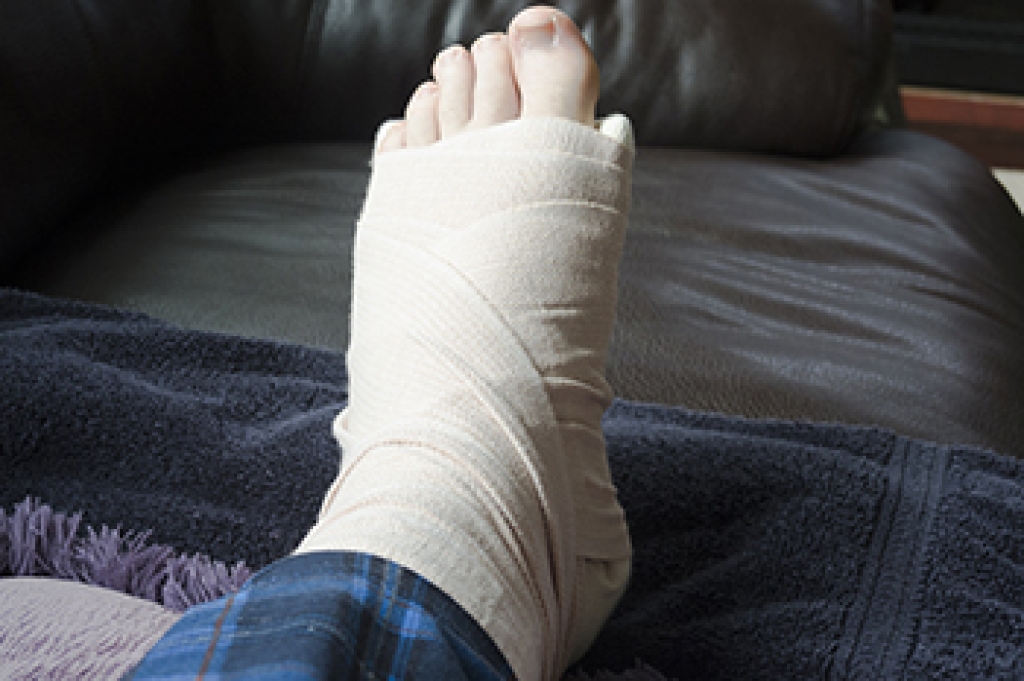
A stress fracture in the foot is a small crack in a bone caused by repeated pressure over time. These injuries often develop when the foot absorbs more force than the bones can handle. Many stress fractures occur in athletes who run, jump, or change direction frequently in sports such as basketball, tennis, and gymnastics. They can also affect runners and people who suddenly increase the intensity, duration, or frequency of exercise. The crack in the bone may be extremely small, sometimes as thin as a strand of hair, but it can still cause significant pain. Other risk factors include poor footwear, changes in training surfaces, weak bones, or abnormal foot structure that places extra pressure on certain areas. Stress fractures most often affect the metatarsals, which are the long bones that connect the toes to the midfoot. A podiatrist can evaluate symptoms, examine the foot, and use imaging tests to confirm the diagnosis and guide proper care. If you have symptoms of a stress fracture, it is suggested that you make an appointment with a podiatrist for an exam, diagnosis, and treatment.
Activities where too much pressure is put on the feet can cause stress fractures. To learn more, contact one of our podiatrists from David A. Scalzo, DPM, PC and Associates. Our doctors can provide the care you need to keep your pain free and on your feet.
Dealing with Stress Fractures of the Foot and Ankle
Stress fractures occur in the foot and ankle when muscles in these areas weaken from too much or too little use. The feet and ankles then lose support when walking or running from the impact of the ground. Since there is no protection, the bones receive the full impact of each step. Stress on the feet can cause cracks to form in the bones, thus creating stress fractures.
What Are Stress Fractures?
Stress fractures occur frequently in individuals whose daily activities cause great impact on the feet and ankles. Stress factors are most common among:
Symptoms
Pain from the fractures occur in the area of the fractures and can be constant or intermittent. It will often cause sharp or dull pain with swelling and tenderness. Engaging in any kind of activity which involves high impact will aggravate pain.
If you have any questions please contact our office located in Duryea, PA . We offer the newest diagnostic and treatment technologies for all your foot and ankle needs.

Heel pain occurs when the tissues surrounding the heel become irritated or inflamed. It often appears as a sharp or aching sensation when walking or standing, and may worsen after periods of rest. Several risk factors increase the likelihood of heel pain, including middle age, physically active lifestyles, excess body weight, pregnancy, and occupations that require standing for long periods of time. Wearing poorly fitted shoes with limited cushioning or support can also place stress on the heel. Direct injury or repeated strain to the heel area may further contribute to discomfort. A podiatrist can evaluate the cause, recommend supportive footwear, and provide treatments that relieve pain. If you have heel pain, it is suggested that you promptly consult a podiatrist who can offer effective relief and treatment solutions.
Many people suffer from bouts of heel pain. For more information, contact one of our podiatrists of David A. Scalzo, DPM, PC and Associates. Our doctors can provide the care you need to keep you pain-free and on your feet.
Causes of Heel Pain
Heel pain is often associated with plantar fasciitis. The plantar fascia is a band of tissues that extends along the bottom of the foot. A rip or tear in this ligament can cause inflammation of the tissue.
Achilles tendonitis is another cause of heel pain. Inflammation of the Achilles tendon will cause pain from fractures and muscle tearing. Lack of flexibility is also another symptom.
Heel spurs are another cause of pain. When the tissues of the plantar fascia undergo a great deal of stress, it can lead to ligament separation from the heel bone, causing heel spurs.
Why Might Heel Pain Occur?
Treatments
Heel pain should be treated as soon as possible for immediate results. Keeping your feet in a stress-free environment will help. If you suffer from Achilles tendonitis or plantar fasciitis, applying ice will reduce the swelling. Stretching before an exercise like running will help the muscles. Using all these tips will help make heel pain a condition of the past.
If you have any questions, please feel free to contact our office located in Duryea, PA . We offer the newest diagnostic and treatment technologies for all your foot care needs.
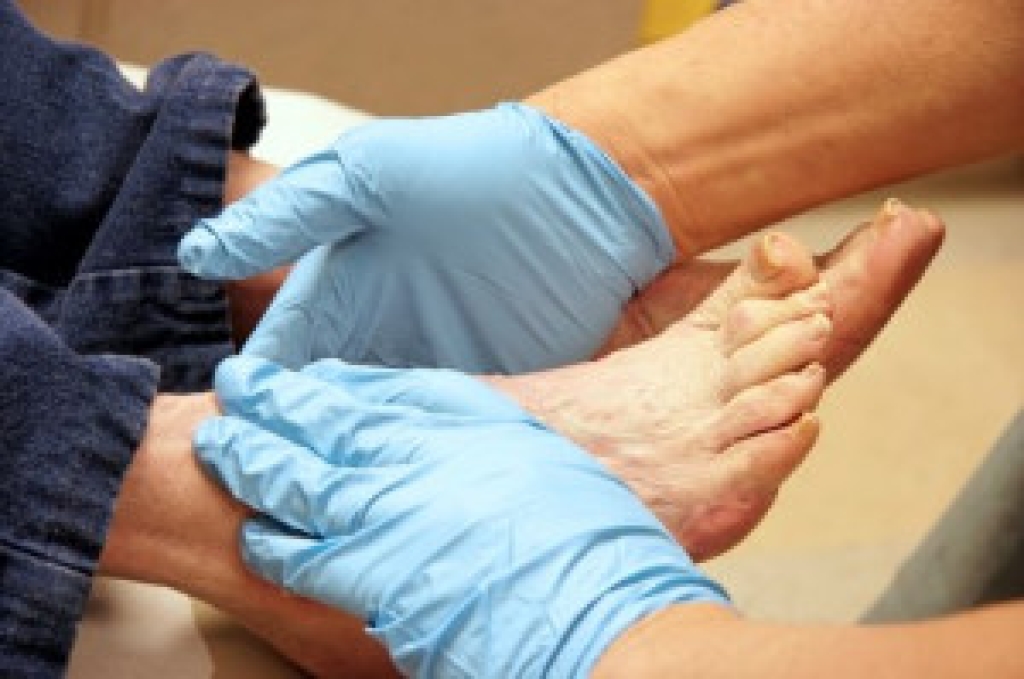
Cracked heels are splits or fissures in the skin along the edge of the heel that develop when dry, thickened skin loses elasticity and splits under pressure. This condition often begins with roughness and callus formation and can progress to painful cracks that may bleed. Common causes include prolonged standing, open-back footwear, obesity, dry climates, and poor skin hydration. Risk factors also include diabetes, eczema, and other conditions that affect circulation or skin health. Symptoms may involve itching, flaking, discomfort while walking, and visible deep fissures. A podiatrist can safely remove thickened skin, recommend medical grade moisturizers, and address underlying causes. If you have cracked heels, it is suggested that you consult a podiatrist who can offer effective relief and treatment solutions, which may include prescribed medication.
Cracked heels are unsightly and can cause further damage to your shoes and feet. If you have any concerns, contact one of our podiatrists from David A. Scalzo, DPM, PC and Associates. Our doctors can provide the care you need to keep you pain-free and on your feet.
Cracked Heels
Cracked heels appear unappealing and can make it harder for you walk around in sandals. Aside from looking unpleasant, cracked heels can also tear stockings, socks, and wear out your shoes. There are several methods to help restore a cracked heel and prevent further damage.
How Do You Get Them?
Dry skin is the number one culprit in creating cracked heels. Many athletes, walkers, joggers, and even swimmers suffer from cracked heels. Age and skin oil production play a role to getting cracked heels as well.
Promote Healing
Over the counter medicines can help, especially for those that need instant relief or who suffer from chronic dry feet.
Wear Socks – Wearing socks with medicated creams helps lock in moisture.
Moisturizers – Applying both day and night will help alleviate dryness which causes cracking.
Pumice Stones – These exfoliate and remove dead skin, which allows for smoother moisturizer application and better absorption into the skin.
Change in Diet
Eating healthy with a well-balanced diet will give the skin a fresh and radiant look. Your body responds to the kinds of food you ingest. Omega-3 fatty acids and zinc supplements can also revitalize skin tissue.
Most importantly, seek professional help if unsure how to proceed in treating cracked heels. A podiatrist will help you with any questions or information needed.
If you have any questions, please feel free to contact our office located in Duryea, PA . We offer the newest diagnostic and treatment technologies for all your foot care needs.

Connect With Us